All my current favourite cube decks are somewhat graveyard focused. I am loving Izzet and blue decks that fill up the bin with instants and sorcery cards, Rakdos ones simply profiting from the act of discard itself, and the Golgari leaning builds which tend to be more about creatures in the bin. While the Golgari builds have not gained many new payoffs since Hogaak, they have gained a lot in the support camp, and it turns out that is where they needed it most. Hogaak is comfortably the best of graveyard payoffs already, you don't need too much more. You even find him with relative consistency thanks to all the self mill. What has pushed this kind of deck are the Malevolent Rumbles, Overlords of Balemurk, and Town Greeters, all giving consistent and powerful means to fill up the bin. There are good cards I no longer run in the cube because there is sufficient and higher power redundancy.
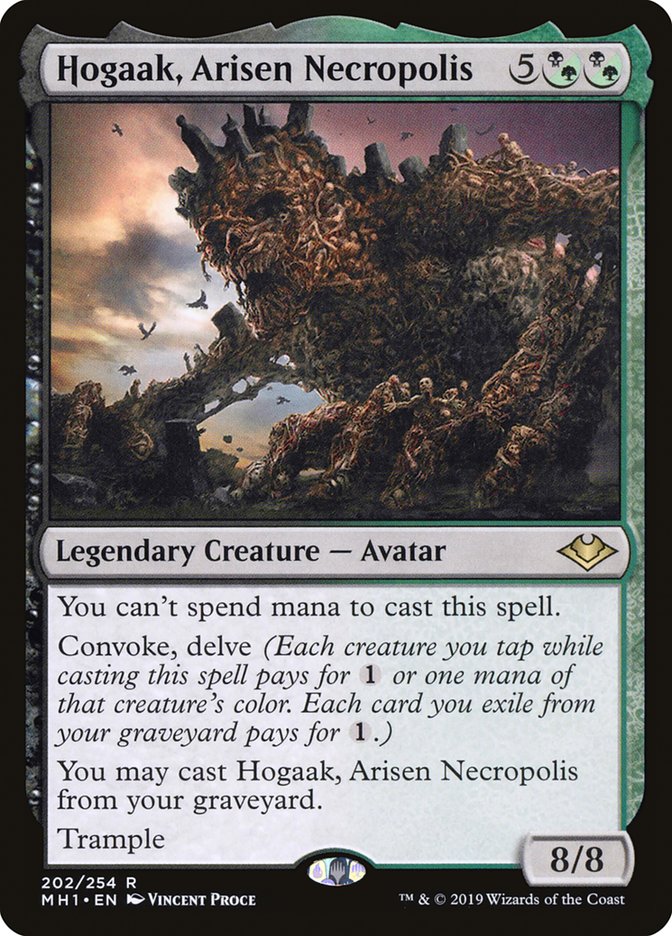
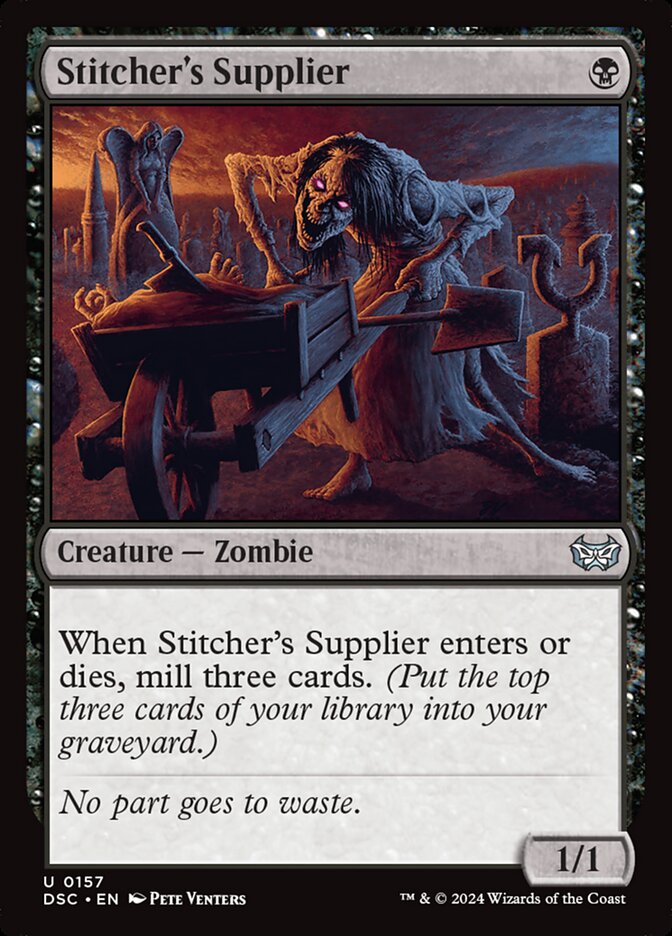
Unlike most cube archetypes, Hogaak is one that really all hinges on the namesake. Without the guy you might as well do something else, it simply isn't worth the setup cards. Once you have the big fella it is off to the races and you can build in a wide array of directions. You pack some self mill, some good cheap cards ideally including a smattering of interaction and most of the stuff that does something from the graveyard and off we go. It is comic how consistent a singleton deck can be. If you open with Supplier and a Satyr Wayfinder you will mill 7 cards in addition to the minimum 8 you will have seen through normal draws. Toss in a sec land and we are looking at 40% of the deck seen, meaning a shockingly frequent instance of turn two Hogaak. It seems like it should be one of those out there silly god draws but comically the least likely part is having the Supplier! With such a wealth of good two drop mill you can be pretty sure of consistently firing those off on cue. And then we can consider that a turn two Hogaak isn't even the ceiling, it is doing that with a Vengevine accomplice or more that really seems unfair!
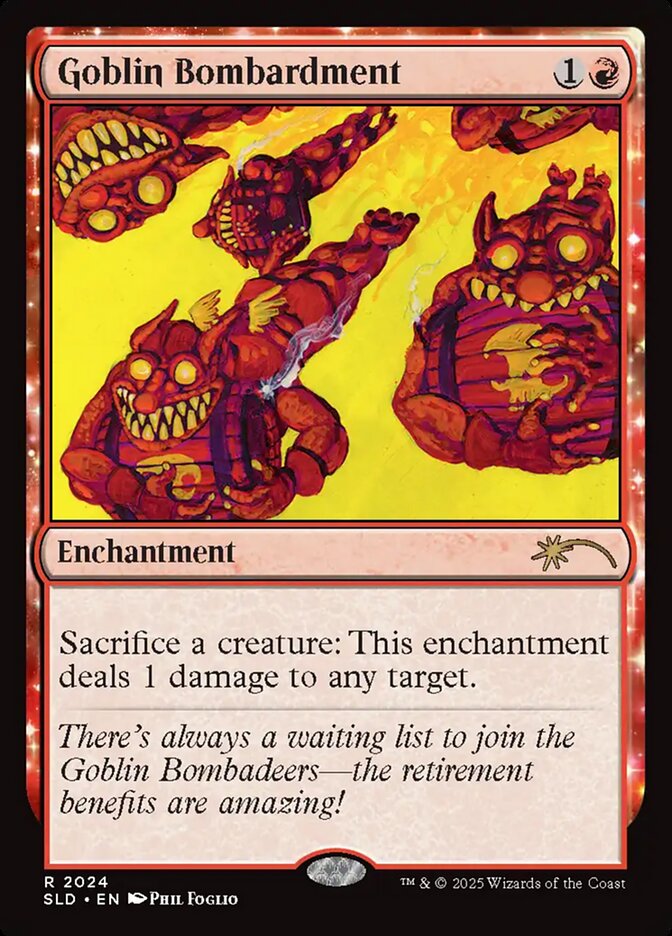
As most of the viable self mill effects in Golgari as two mana we need to be very effective with our one slot. Lots of premium cards and ideally a bunch of things you would often find in the two slow. One mana removal and interaction is premium, as are the few (single) good mill tools. Beyond navigating this little bottleneck the archetype has a huge array of options. You can go super aggro, you can go more control, and of course there is midrange bridging the gap. you can go all in on the graveyard and mill synergies or you can touch upon them and pad out the deck with good high powered cards. One of the most effective things I have found to be doing with the list recently is dipping a toe into an aristocrats/Blood Artist theme. There is significant overlap in the support and it provides a dangerous alternate means of attack.
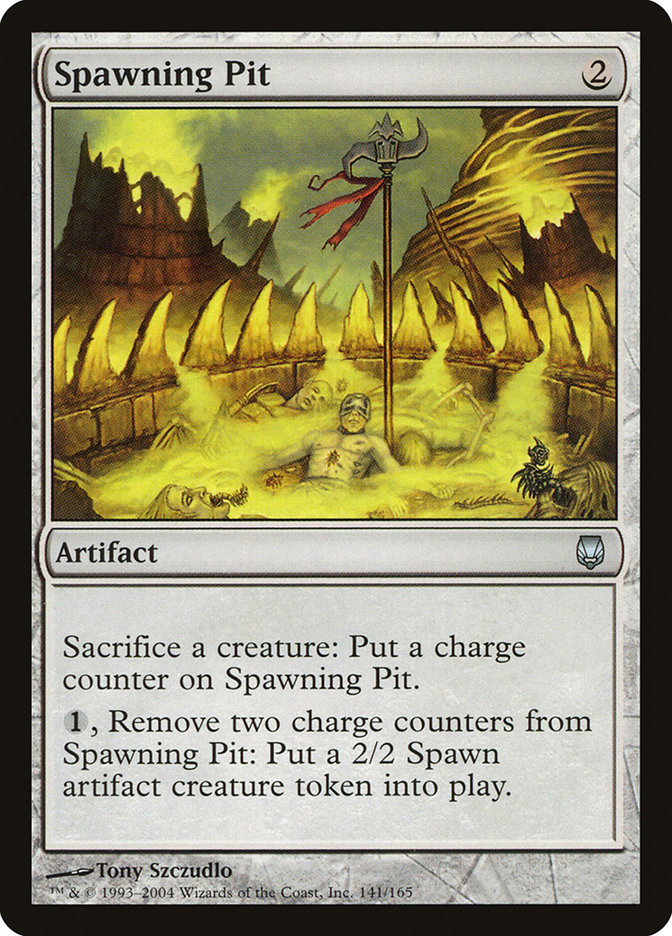
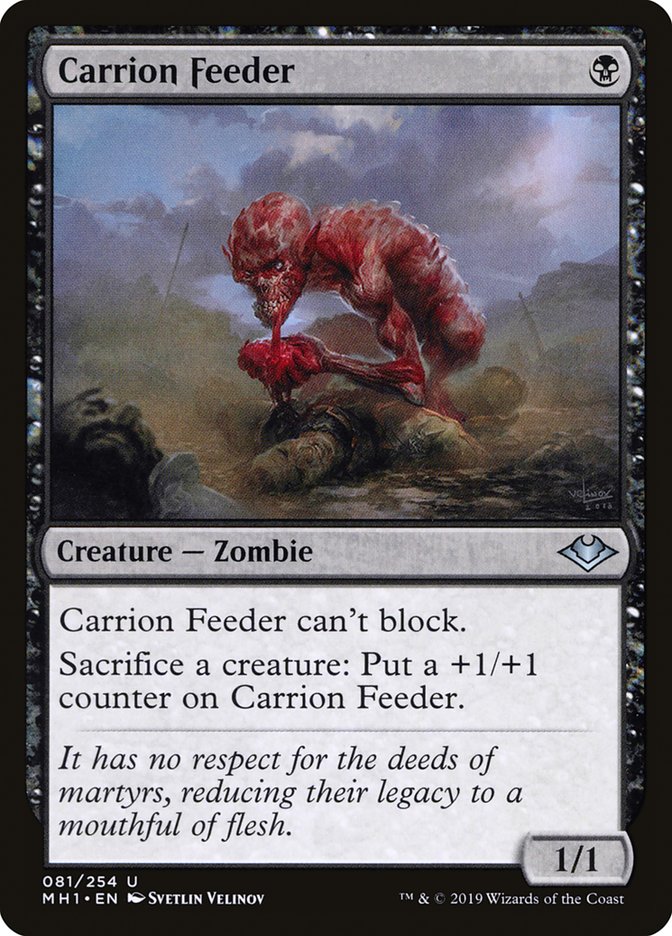
One of the main vulnerabilities of the archetype is that you lean so heavily on your namesake Hogaak. Winning is easy when you have access to him. Without and it gets a lot harder. This is where a Blood Artist can suddently go a really long way. You have tools to get things back out of the bin and so assembling a little engine when required is a lot easier than you might think. Because you naturally have so much self mill and recursion your deck becomes very consistent. That means a couple of Blood Artist effects and a couple of sac outlets and you can consistently just be doing that if you need to. A huge advantage to having cards like Woe Strider and Carrion Feeder in your list regardless of any Blood Artists is that you can use them to dodge the wrong kind of removal. Putting a Vengevine or a Hogaak in the bin does relatively little. Exiling them is brutal. One of many useful overlaps.
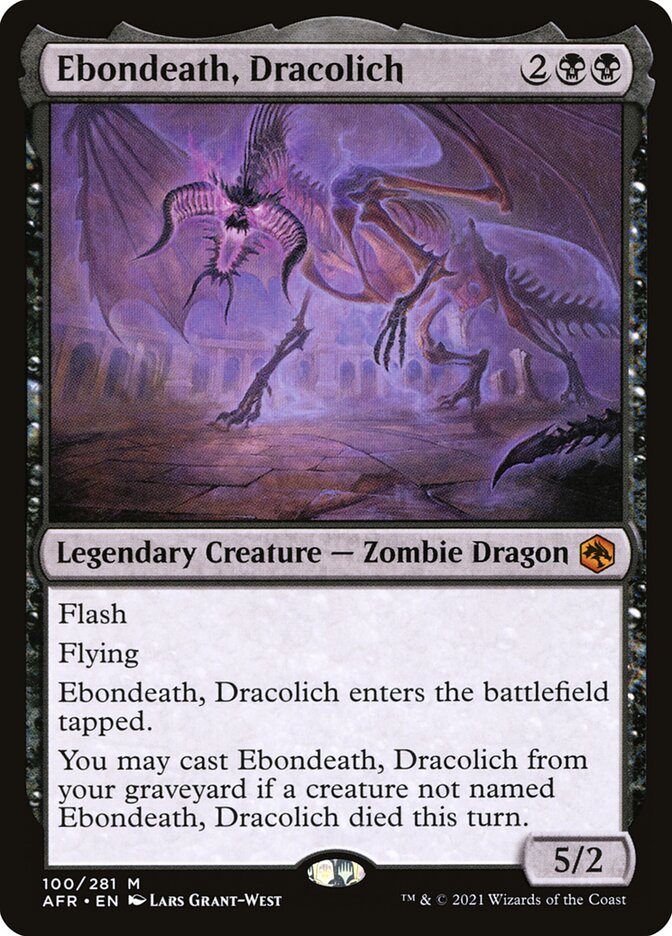
Ebondeath Dracolich keeps making the cut in my lists lately too. This is not because the card is very good, it is pretty mid. It is because it is about as good a backup win condition you can find in a single card. Easy to find and get back, cheap enough to be easily cast most games, and big and evasive enough to actually threaten to end a game. Short of anything else I'll even lean on cards like Hexdrinker to offer additional lines of threat. Certainly I have a preference for the various scaling and mana sinking one drops that be actual late game threats to any of the pricier options beynd Ebondeath. Below is an example list of the archetype that is pretty close to optimal, all be it a touch light on interaction. Being so brutally fast and powerful you can afford to go leaner than most;
Stitcher's Supplier
Deathrite Shaman
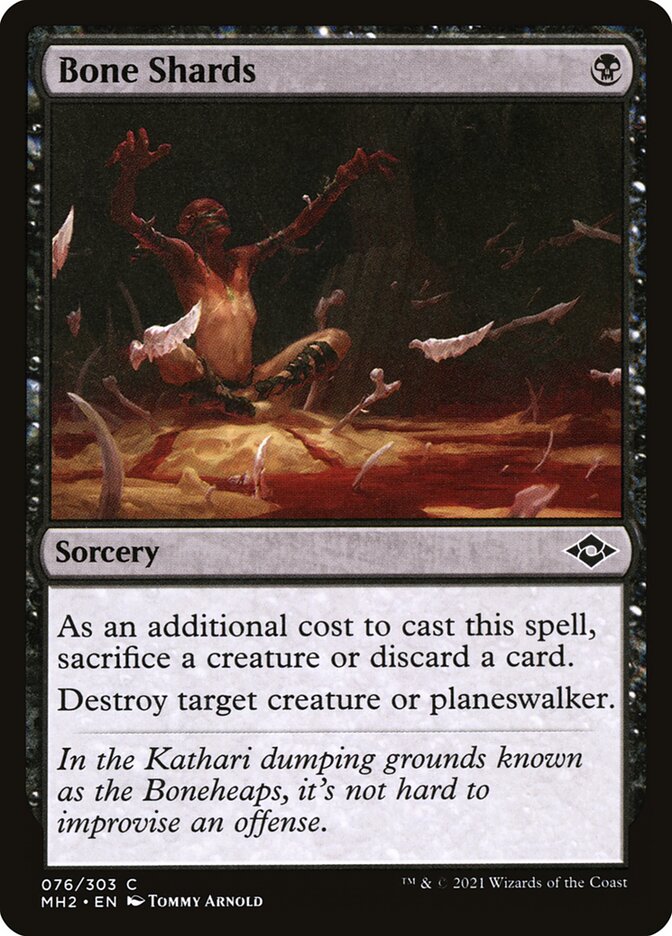
Boneshards
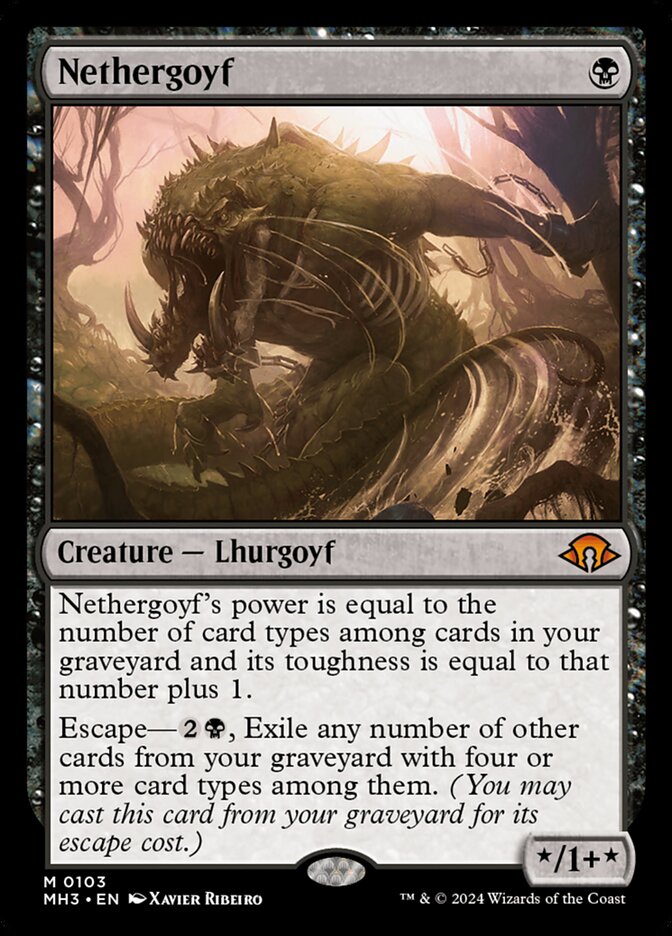
Nethergoyf
Carrion Feeder
Gravecrawler
Moonshadow
Elves of Deepshadow
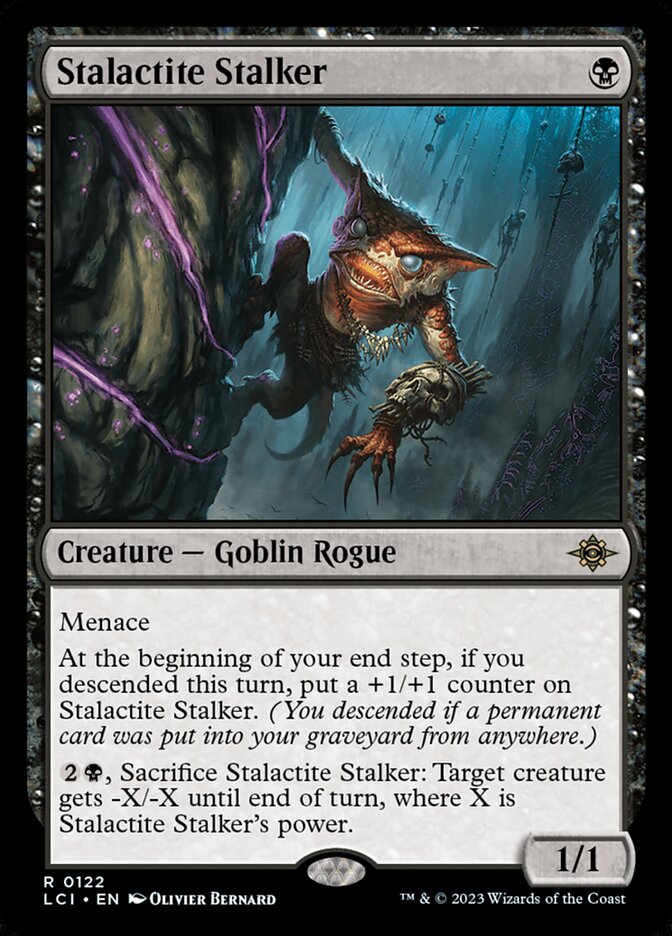
Stalactite Stalker
Pick Your Poison
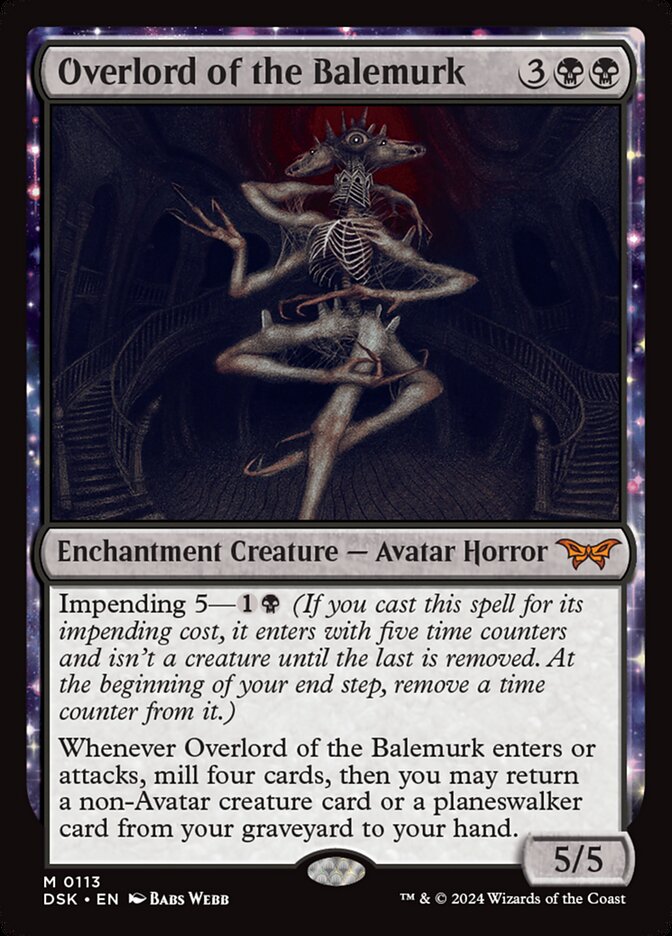
Overlord of the Balemurk
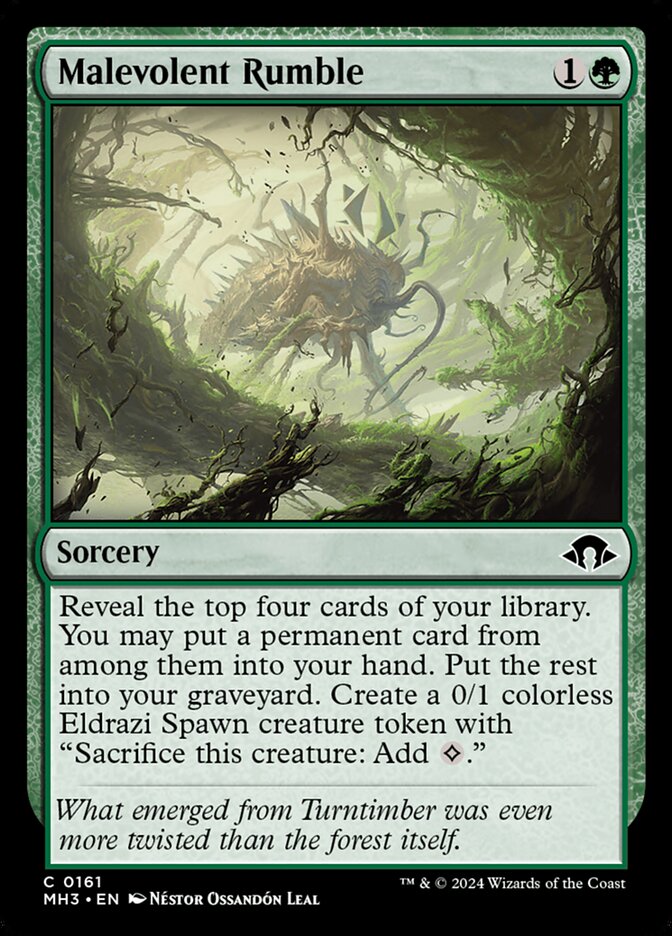
Malevolent Rumble
Town Greeter
Satyr Wayfinder
Blood Artist
Dogged Detective
Bloodghast
Smuggler's Copter
Yawgmoth, Thran Physician
Vengevine
Ebondeath, Dracolich
Fell the Profane
Hogaak, Arisen Necropolis
15 Lands
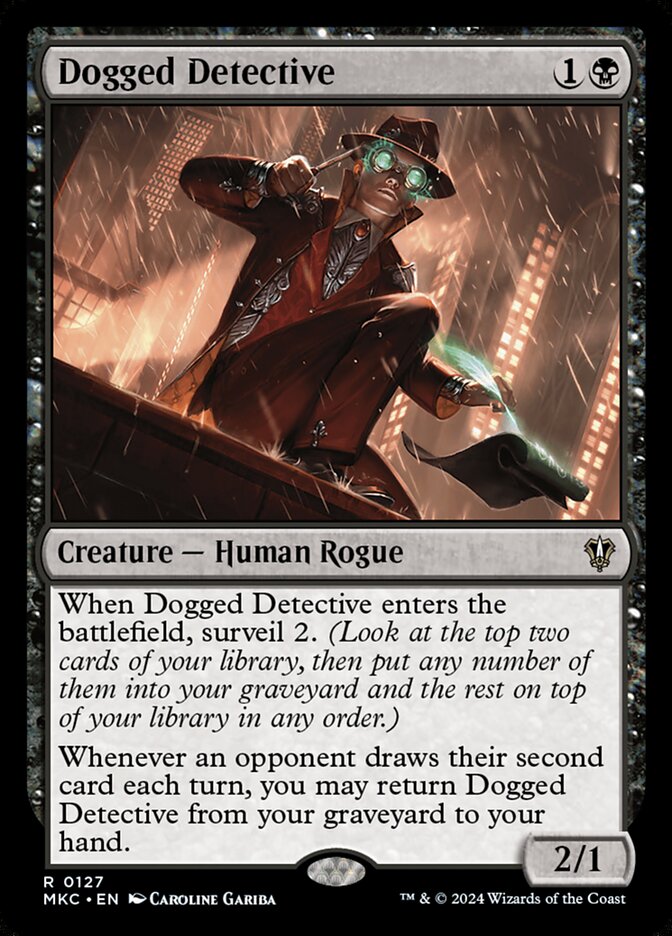
Dogged Detective is an unsung hero of this list being one of few cards that work both ends of the synergy. A little bit of selective mill when you make him greases the wheels nicely. He comes back quick and often in cube where everybody loves to draw cards and simply does a fine job of cheaply adding consistency and gas to the list. An oddly good defensive tool as well being able to somewhat profitably block where a lot of your deck cannot.
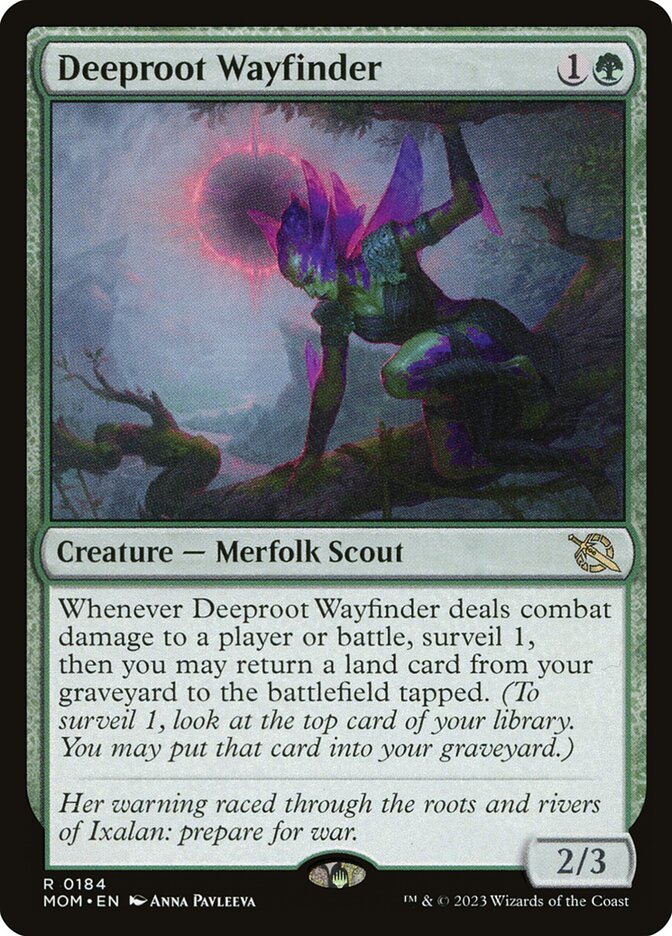
There are a couple of general considerations you want to take into account when building this archetype and those are keeping a high creature count and having good mana. You are a quick deck that loses a lot of potential advantage if it is being held back by the wrong coloured lands or ones that come in tapped. Good lands over most other picks. Sac lands are also better than usual for all those delve and escape goodies, a few specific cards like Deathrite Shaman (and the comically good Deeproot Wayfinder!), and simply thinning your list so as to have a higher dork density. We are looking to have high dork density so that things like Vengevine are easier to trigger, so we have two dorks in play to convoke a Hogaak at the drop of a hat, to ensure we do not wiff on things like Overlord of the Balemurk triggers etc. etc.
Good mana is so important it is the main consideration for a splash. Red and blue both offer absolutely fantastic tools to this list. Some powerful payoffs to bolster Hogaak as well as some premium one mana enablers and interaction. All well and good but if you cannot cast these things as and when you want they are hurting a lot more than helping. I am talking multiple untapped dual lands for all three colour pairings, including at least one untapped fetchable for each pair and at least two sac lands. That is the minimum I would be happy running a third colour with. Once you can fulfil that entry requirement you can look out for these premium reasons to step outside of Golgari;
The Red Splash
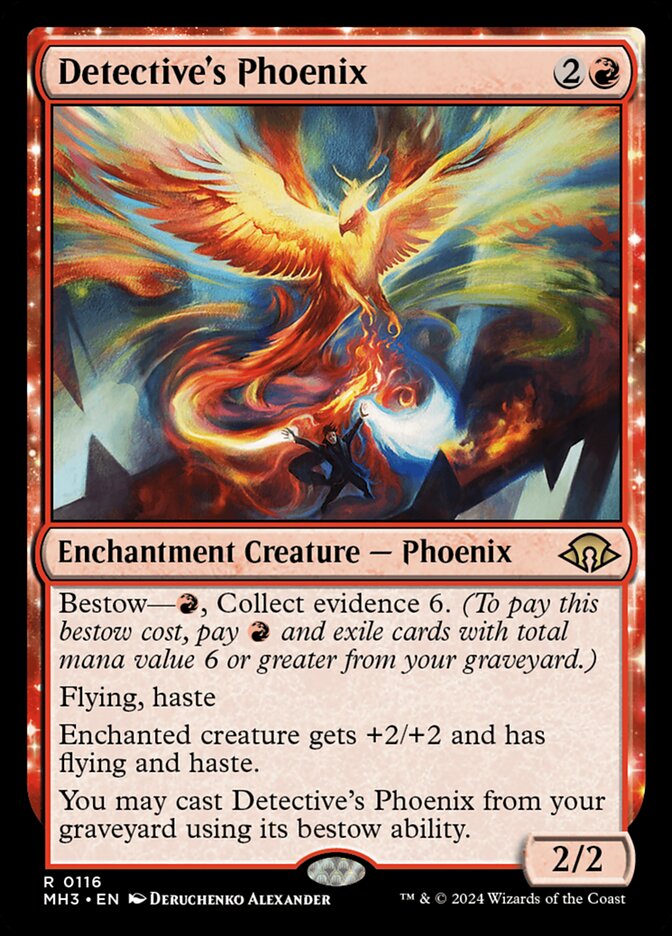
Faithless Looting
Dragons Rage Channeler (Fear of Missing Out)
Detective's Phoenix
The Blue Splash
Careful Study
Hedron Crab
Uro, Titan of Nature's Wrath
Psychic Frog
There are of course plenty of other good and fine cards you can pad out your list with, a spot of burn to bolster your one mana interactive counts is fine. A lovely little Thoughtscour is almost imposible to argue against etc. but it is really about the top tier one mana graveyard enablers and the best payoff cards. Even with perfect mana you will hurt the list a bit if you start to go three colour even split. Red and blue creatures convoke out a Hogaak a lot less effectively! Red and blue also typically do a lot more of their work through spells and not creatures, or they want you to have delirium, and this can weaken the core creature count synergies. I have found that Detective's Phoenix is really naughty, in most lists, but especially this one. I think this is one card you can afford to splash even if it is with poorer mana. The Phoenix is useful late so isn't crippling if you can't use early. The rest ideally want to be deployable on turn one and lose too much of their value if you cannot do so consistently.
Absolutely a tier one deck. It comes out fast and consistently and hits like a train. It is just one of those decks where their viability depends on a few key cards.
Below is a list of the various good cards I am more than happy to play in the archetype performing their various roles. Plenty of generically god cards here.
Tear Asunder
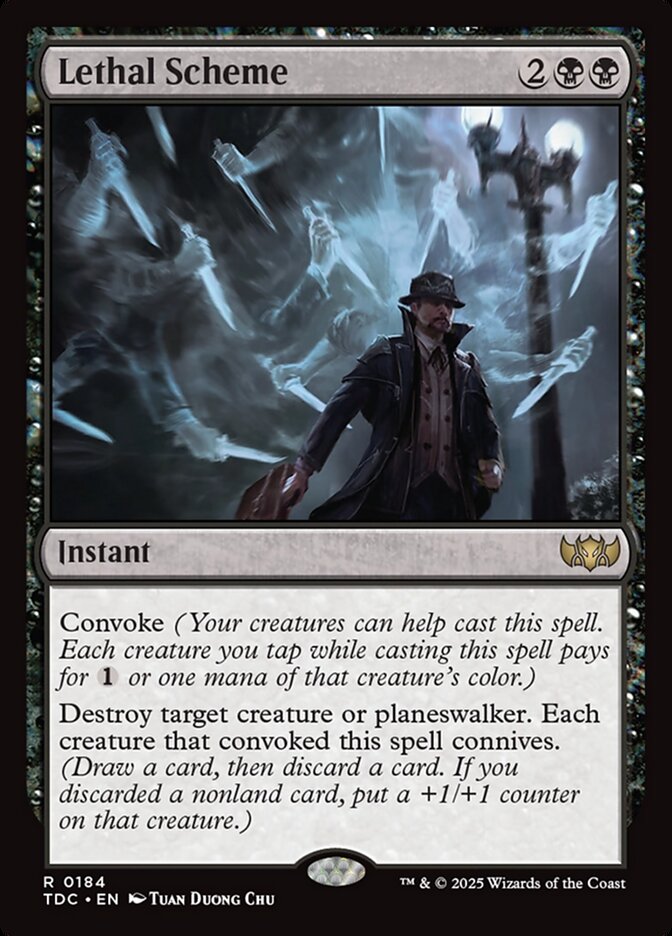
Lethal Scheme
Bastion of Remembrance
Skyclave Shade
Deeproot Wayfinder
Emperor of Bones
Grist, the Hungertide
Liliana of the Veil
Skullclamp
Fatal Push
Cling to Dust
Concealed Curtain
Hexdrinker
Orcish Bowmasters
Springheart Nantuko
Lastly here is a list of less commonly seen cube curds that do quite well suit the archetype, or commonly seen cube cards that are unexpectedly effective in this kind of a deck. Also some cute Golgari one drop support tools given that that is the main bottleneck, all be it very low power one drops that are pretty unplayable outside of this deck.
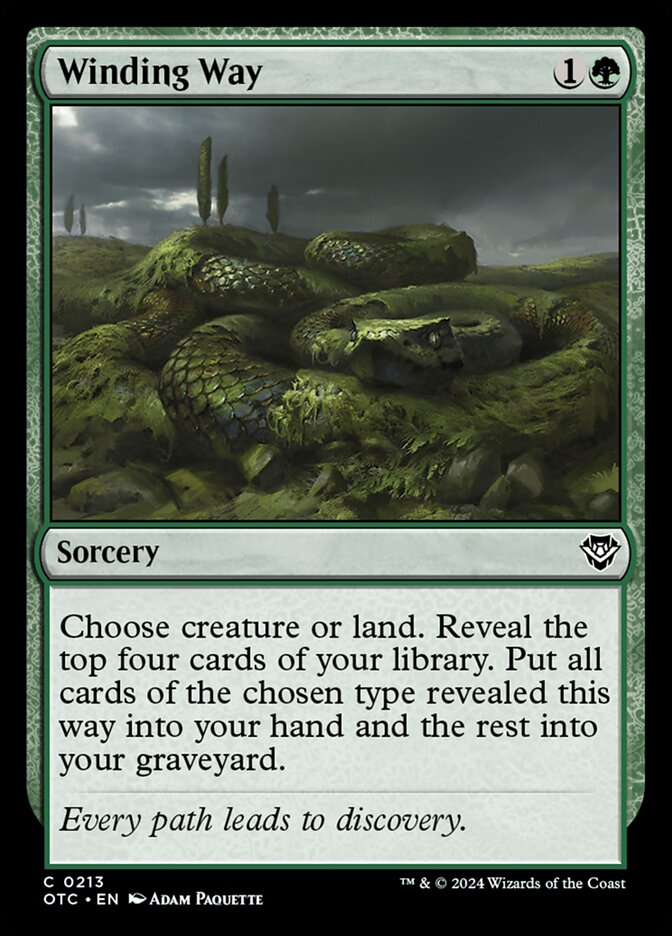
Grapple With the Past
Witherbloom Command
Cache Grab
Mulch
Dredger's Insight
Patchwork Beastie
Crop Sigil
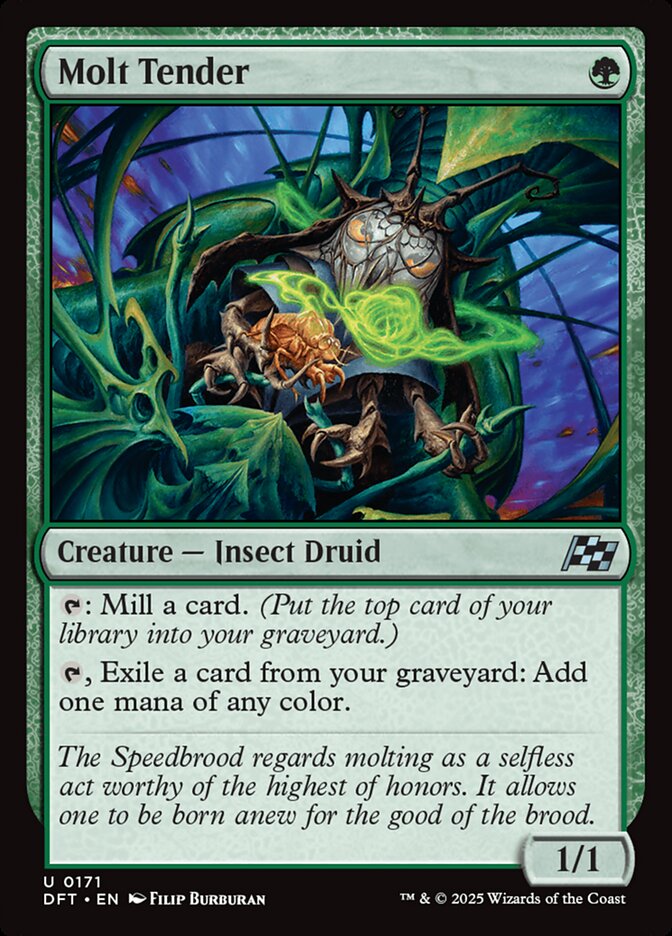
Molt Tender
Faerie Dreamthief
Seed of Hope
Tenacious Underdog
Gorex, the Tombshell
Death Tyrant
Huskburster Swarm
Moulderhulk
Stubborn Barrowfiend
Wight of the Reliquary
Barrowgoyf
Ichorid
Scrapheap Scrounger